
California Slip and Fall Attorney
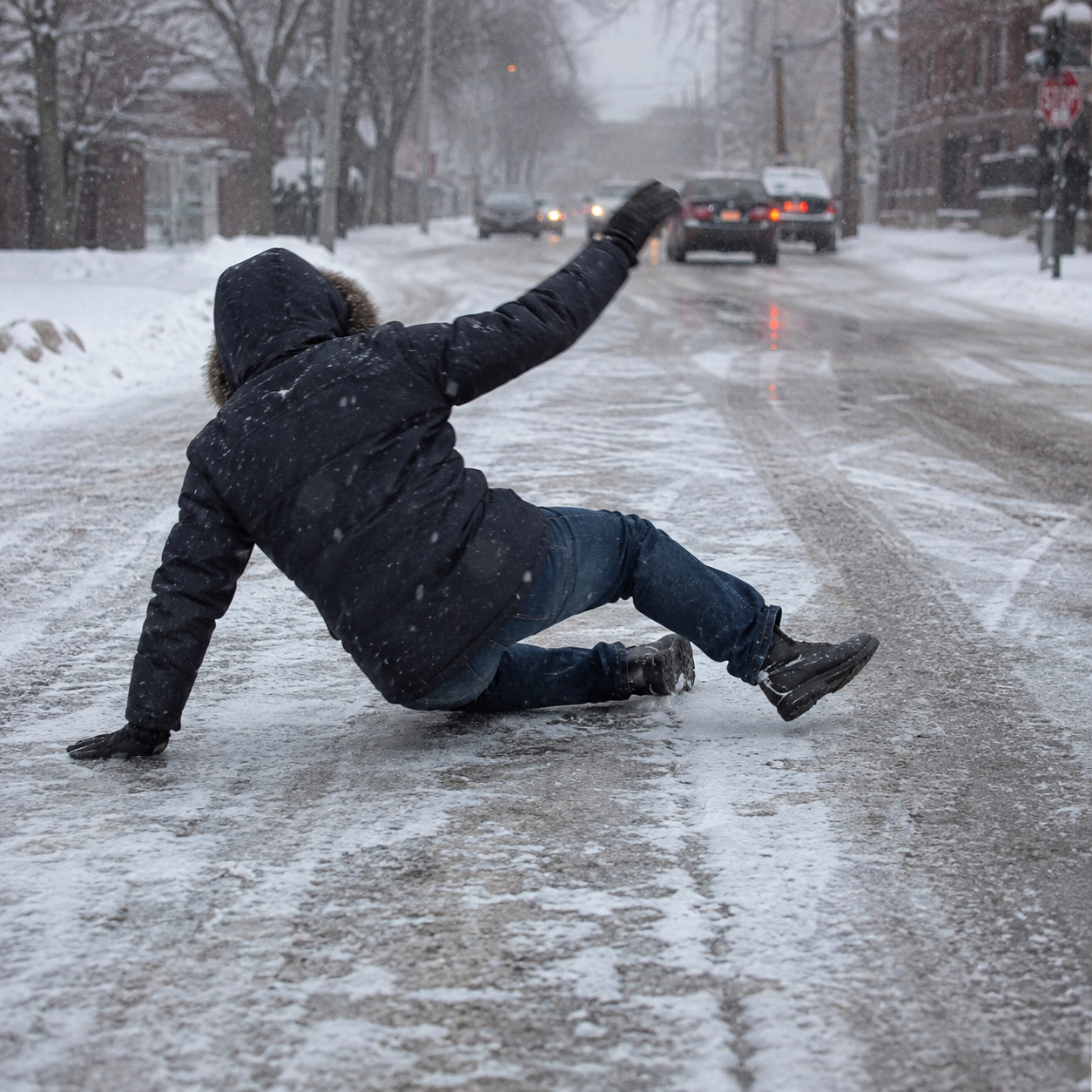
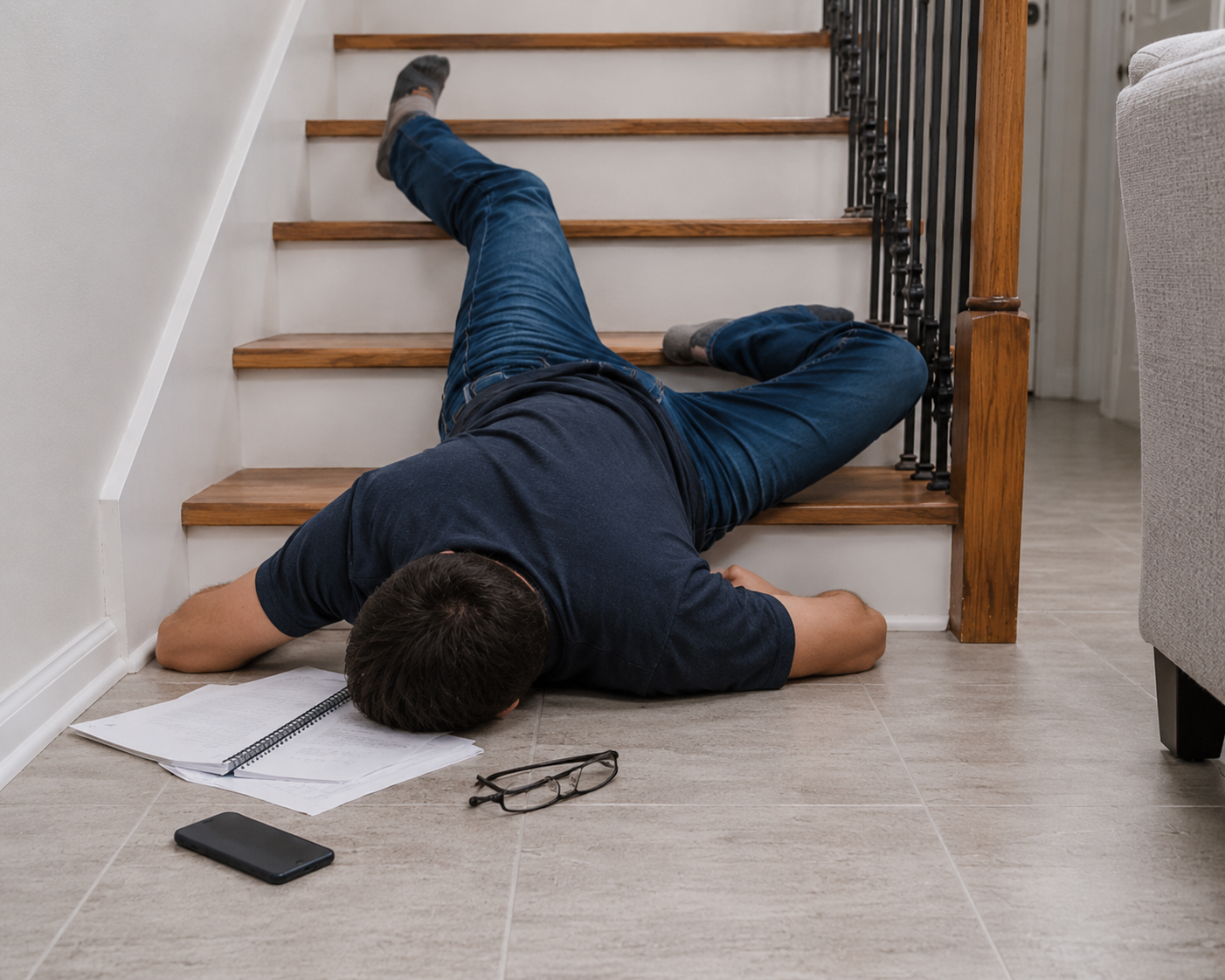
A fall on someone else’s property does not automatically establish legal responsibility. California premises-liability claims generally focus on whether a dangerous condition existed, whether the defendant knew or should have known about it, whether reasonable care was used, and whether the condition caused the injury.
Safeguard Firm represents people injured in California slip-and-fall and trip-and-fall incidents involving stores, hotels, restaurants, shopping centers, apartment communities, offices, parking areas, and other commercial or residential property.
Free Consultation
If you were injured in California in a matter involving slip and fall, contact Safeguard Firm at 310-882-6575 or JR@Safeguardfirm.com to discuss the circumstances and potential legal options.
Common Dangerous Property Conditions
Claims may involve spilled liquids, wet floors, leaking refrigeration, uneven pavement, broken tiles, defective stairs, loose or missing handrails, torn carpeting, poor lighting, debris, merchandise in walkways, potholes, loose mats, or changes in floor elevation.
The relevant issue is not simply whether the condition looked dangerous after the accident. The investigation should determine how it arose, how long it existed, who created it, what the defendant knew, and whether inspection, repair, or warning practices were reasonable.
Actual and Constructive Notice
In many premises cases, the defendant argues that the condition appeared shortly before the incident and there was no reasonable opportunity to discover it.
Inspection logs, sweep records, surveillance, employee testimony, prior complaints, maintenance files, work orders, incident reports, and evidence that an employee created the hazard can become central.
Comparative Fault and Open-and-Obvious Arguments
Defendants may argue that the claimant should have seen or avoided the condition. Visibility, lighting, crowding, distractions created by the premises, warnings, layout, and the nature of the hazard all matter.
An open-and-obvious argument should be evaluated within California duty and comparative-fault principles rather than treated as an automatic defense.
Proving Causation and Injury
Defendants may dispute whether the condition actually caused the fall or whether the claimed injury resulted from a preexisting condition.
Medical records, scene evidence, footwear, photographs, witness accounts, and a clear history of the fall mechanism can help connect the dangerous condition to the injury.
Surveillance and Evidence Preservation
Retailers, hotels, restaurants, shopping centers, apartment properties, and other businesses often use surveillance systems. Footage can show the hazard, how long it existed, employee activity, the fall, and the response afterward.
Prompt preservation is important because many systems overwrite footage on a rolling basis.
How Safeguard Firm Can Help
Safeguard Firm’s role in a California slip and fall matter is to organize the claim around proof. That can include identifying responsible parties, preserving evidence, obtaining reports and records, communicating with insurers, documenting medical and economic losses, and evaluating whether expert analysis is needed.
The investigation should focus on the issues most likely to become disputed. Liability cases may require scene evidence, witness testimony, surveillance, electronic data, or commercial records. Serious injury cases may require early policy-limit analysis, future-care evidence, vocational analysis, and investigation of additional defendants or coverage.
When a fair pre-litigation resolution cannot be reached, litigation can provide formal discovery, subpoenas, depositions, expert analysis, and court procedures for obtaining evidence. Strategy should remain proportionate to the case.
Public Property Claims
Falls on sidewalks, government buildings, transit property, or other public property may trigger separate public-entity liability rules.
Government Code section 911.2 generally requires presentation of a personal injury claim within six months after accrual.
Practical Steps After the Incident
- Seek appropriate medical evaluation and follow reasonable treatment recommendations.
- Preserve photographs, videos, damaged property, receipts, reports, witness information, and relevant electronic records.
- Avoid guessing about fault or the extent of injury in recorded or written statements.
- Keep records of medical appointments, work missed, out-of-pocket expenses, and communications with insurers.
- Identify evidence controlled by businesses, platforms, carriers, employers, or public entities that may be overwritten or destroyed.
- Do not assume insurance negotiations extend a statute of limitations or government-claim deadline.
Frequently Asked Questions
No. A claimant generally must prove a dangerous condition, a basis for the defendant’s responsibility or notice, causation, and damages.
The absence of a warning can be relevant, but liability still depends on whether the defendant owed and breached a duty concerning the condition.
Surveillance, inspection logs, employee testimony, footprints or track marks, witnesses, and other circumstantial evidence may help.
Accurately reporting the event can preserve important information. Keep a copy or photograph if available and avoid guessing about fault.
That can become part of a comparative-fault argument but does not automatically eliminate the claim.
Public-property claims can trigger special substantive rules and a six-month government-claim deadline in many injury cases.
Related California Legal Services
Statewide personal injury representation for negligence, accident, serious injury, and related claims in California.
Related representation for people injured in motor-vehicle collisions throughout California.
Related information for injury claims involving commercial trucks and other truck collisions in California.
Related representation for injured motorcyclists and motorcycle collision claims throughout California.
Additional related resources: California Bicycle Accident Attorney · Los Angeles County Personal Injury Attorney · Orange County Personal Injury Attorney · Ventura County Personal Injury Attorney · Riverside County Personal Injury Attorney · San Bernardino County Personal Injury Attorney · San Diego County Personal Injury Attorney · Santa Barbara County Personal Injury Attorney · Kern County Personal Injury Attorney · San Luis Obispo County Personal Injury Attorney · Imperial County Personal Injury Attorney · About Safeguard Firm · Contact Safeguard Firm.
Contact a California Slip and Fall Attorney
Safeguard Firm represents injured clients in California while maintaining its published office at 6404 Wilshire Blvd., Suite 860, Los Angeles, CA 90048. Call 310-882-6575, email JR@Safeguardfirm.com, or contact the firm online for a free consultation.