
Orange County Catastrophic Injury Attorney
Catastrophic injuries are different from ordinary short-term injury claims because the consequences may continue for years or for life. The central question is not only what has already happened, but what medical care, assistance, income loss, and functional limitations are reasonably expected in the future.
Safeguard Firm represents people with serious injuries arising from vehicle collisions, truck crashes, motorcycle and pedestrian accidents, falls, dangerous property conditions, and other negligent conduct in Orange County.
Free Consultation
If you were injured in Orange County in a matter involving catastrophic injury, contact Safeguard Firm at 310-882-6575 or JR@Safeguardfirm.com to discuss the circumstances and potential legal options.
What Makes an Injury Catastrophic
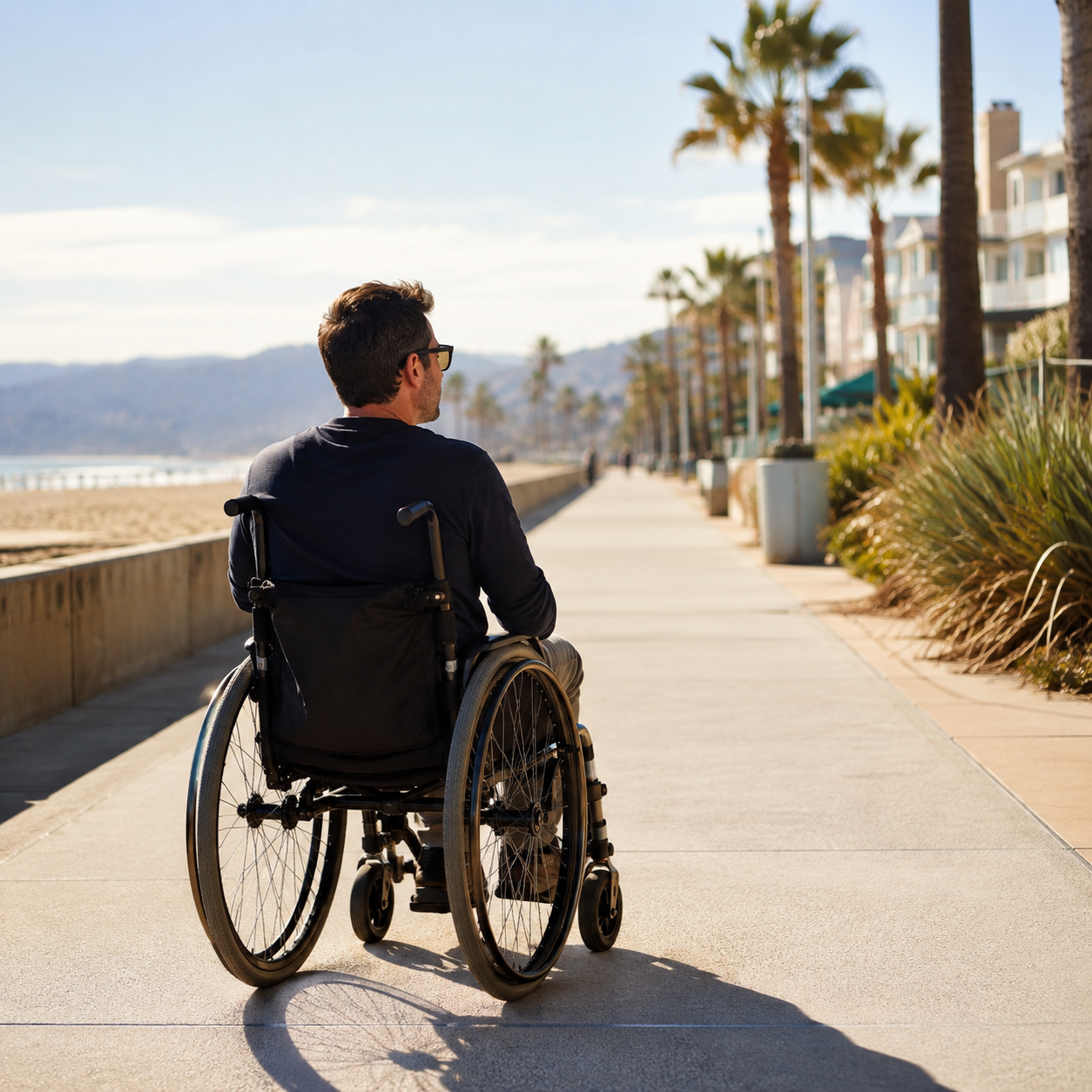
The term can encompass traumatic brain injury, spinal cord injury, paralysis, amputation, severe burns, major orthopedic trauma, permanent neurological injury, organ damage, substantial scarring, or other conditions that materially affect independence or ability to work.
The label itself does not determine damages. Medical diagnosis, prognosis, functional evidence, future care, work history, and credible expert analysis are what establish the long-term impact.
Loss of Earning Capacity
Permanent restrictions can reduce or eliminate a person’s ability to return to prior employment. The analysis may involve work history, education, transferable skills, expected career trajectory, restrictions, vocational evidence, and economic calculations.
Lost earning capacity is conceptually different from wages already missed. A claimant can have a significant future earning loss even when the immediate wage-loss documentation is limited.
Liability and Insurance Must Be Investigated Broadly
A life-changing injury can exceed an individual defendant’s insurance limits. Counsel should investigate all legally responsible parties and all applicable coverage, including employers, commercial entities, vehicle owners, premises defendants, excess policies, and UM/UIM coverage where appropriate.
Severity does not lessen the need to prove liability. General California negligence principles can be reviewed in Civil Code section 1714.
Future Medical Care and Life-Care Needs
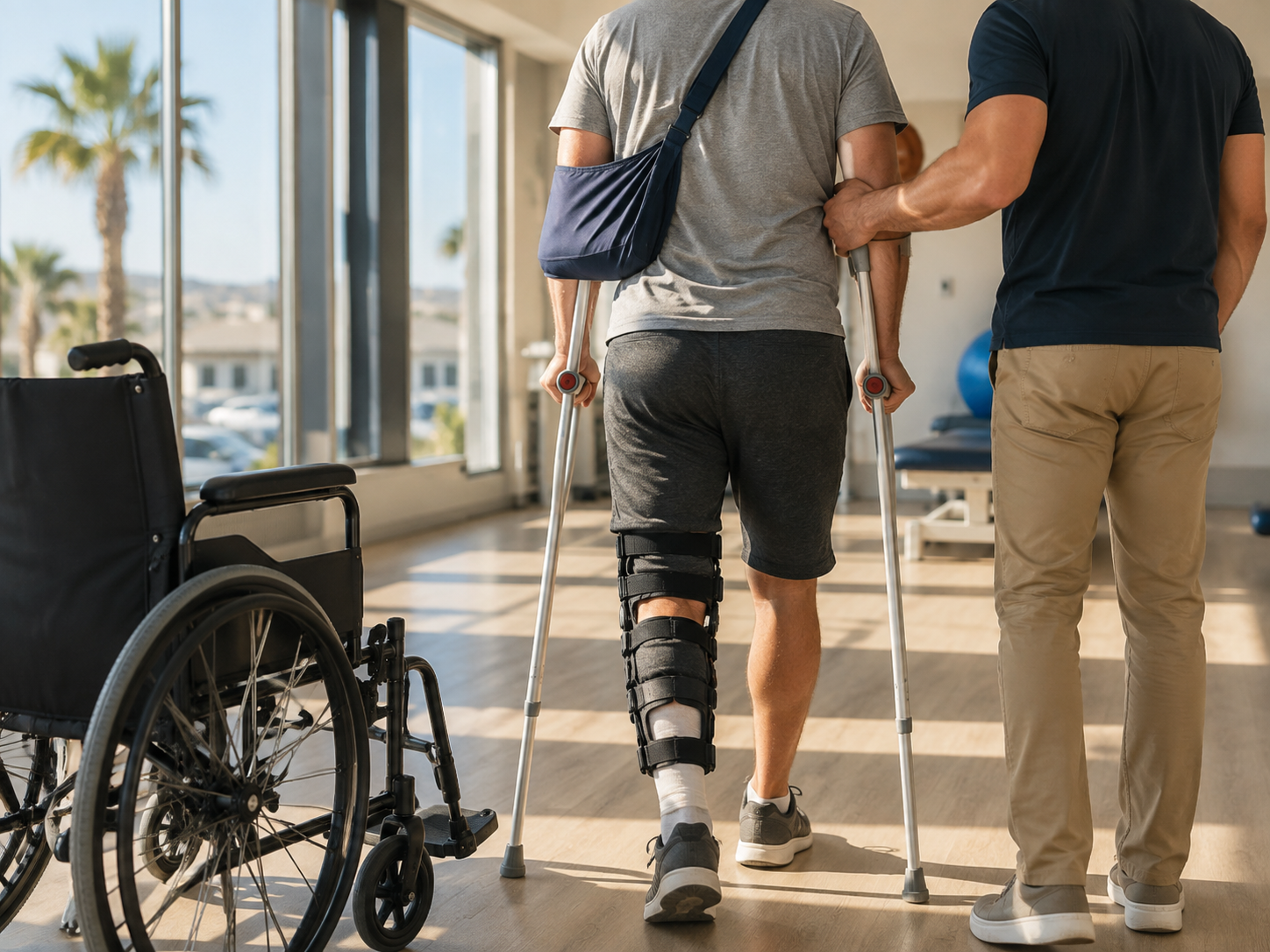
A catastrophic claim may need to account for future surgery, therapy, medication, diagnostic testing, durable medical equipment, home modification, attendant or nursing care, transportation needs, rehabilitation, and replacement of medical devices.
Life-care planning can be useful in appropriate cases, but projections should be grounded in the treating physicians’ opinions and realistic medical needs rather than inflated assumptions.
Compensation and Future Damages
Potential damages depend on the facts and may include past medical expenses, reasonably necessary future medical care, past lost earnings, diminished future earning capacity, property damage where applicable, physical pain, mental suffering, physical impairment, and loss of enjoyment of life.
A responsible valuation should distinguish documented past losses from future projections and account for liability risk, comparative fault, insurance limits, medical causation, credibility, treatment history, prognosis, and the quality of supporting evidence.
How Safeguard Firm Can Help
Safeguard Firm’s role in an Orange County catastrophic injury matter is to organize the claim around proof. That can include identifying all responsible parties, preserving evidence, obtaining reports and records, communicating with insurers, documenting medical and economic losses, and evaluating whether experts are needed.
The investigation should begin with the issues most likely to become disputed. If liability is contested, scene evidence and witness testimony may take priority. If the injury is serious, policy limits, future medical needs, earning capacity, and additional defendants may need early attention. If a commercial or property defendant controls records, preservation and targeted requests can be critical.
When a fair pre-litigation resolution cannot be reached, filing suit may permit formal discovery, subpoenas, depositions, expert analysis, and court enforcement of evidence obligations. Litigation strategy should remain proportionate to the case rather than treating every claim as if it requires the same expense or procedure.
Family Impact
Catastrophic injury often changes household roles, caregiving responsibilities, transportation, finances, and relationships. Some consequences may support legally recognized damages such as loss of consortium, while others provide important context for the injured person’s functional loss.
These issues should be explained respectfully without promising that every family impact is separately compensable.
Medical Causation, Preexisting Conditions and Defense Examinations
Serious cases often involve extensive medical histories and defense scrutiny. The defendant may argue that some limitations are unrelated to the event or attributable to preexisting conditions.
Accurate baseline records, imaging, treating-provider opinions, rehabilitation records, and credible symptom history are important. The goal is to distinguish what the incident caused, aggravated, or accelerated.
Practical Steps After the Incident
- Seek appropriate medical evaluation and follow reasonable treatment recommendations.
- Preserve photographs, videos, damaged property, receipts, reports, witness information, and relevant electronic records.
- Avoid guessing about fault or the extent of injury in recorded or written statements.
- Keep a clear record of medical appointments, work missed, out-of-pocket expenses, and communications with insurers.
- Identify evidence controlled by third parties that may be overwritten or destroyed and consider prompt preservation.
- Do not allow insurance negotiations to create a false sense that a filing deadline has been extended.
Frequently Asked Questions
The term commonly includes severe brain, spinal, neurologic, burn, amputation, and permanent orthopedic injuries, but the legal damages analysis depends on actual long-term consequences.
Through medical evidence showing that future care is reasonably necessary, often supported by treating providers and, in appropriate cases, life-care or economic experts.
It is the reduction in a person’s ability to earn income in the future because of injury-related limitations, distinct from wages already lost.
Additional responsible parties, commercial policies, excess coverage, and applicable UM/UIM insurance should be investigated.
California recognizes loss-of-consortium claims in appropriate circumstances. The elements and damages are separate from the injured spouse’s claim.
Settlement timing is case-specific, but a claim should generally be evaluated with sufficient medical information to understand reasonably foreseeable future consequences.
Related Orange County Legal Services
County-wide personal injury representation and related claim information for injured clients in Orange County.
Related representation for motor-vehicle collision claims that cause severe or permanent injuries.
Related representation for commercial truck crashes and other serious collision claims in Orange County.
Related representation for motorcycle collisions involving serious or catastrophic injuries.
Additional related resources: Orange County Bicycle Accident Attorney · Orange County Pedestrian Accident Attorney · California Personal Injury Attorney · About Safeguard Firm · Contact Safeguard Firm.
Contact an Orange County Catastrophic Injury Attorney
Safeguard Firm serves injured clients throughout Orange County while maintaining its published office at 6404 Wilshire Blvd., Suite 860, Los Angeles, CA 90048. Call 310-882-6575, email JR@Safeguardfirm.com, or contact the firm online for a free consultation. Do not add or imply an Orange County office unless a verified location is established.