
California FedEx and UPS Truck Accident Attorney
A FedEx and UPS truck accident case can raise questions about fault, insurance, medical causation, evidence, and the full effect of the injury or loss. The strongest claims are built around facts and records rather than assumptions about how a particular accident usually happens.
Safeguard Firm represents injured people in California and evaluates FedEx and UPS truck accident matters by identifying responsible parties, preserving time-sensitive evidence, documenting medical and economic losses, and investigating all potentially applicable insurance.
Safeguard Firm maintains its published office at 6404 Wilshire Blvd., Suite 860, Los Angeles, CA 90048. Its website currently advertises a free consultation.
Free Consultation
If you were injured in a FedEx and UPS truck accident incident in California, call 310-882-6575 or contact JR@Safeguardfirm.com to discuss the facts and potential legal options.
FedEx and UPS Delivery Truck Claims
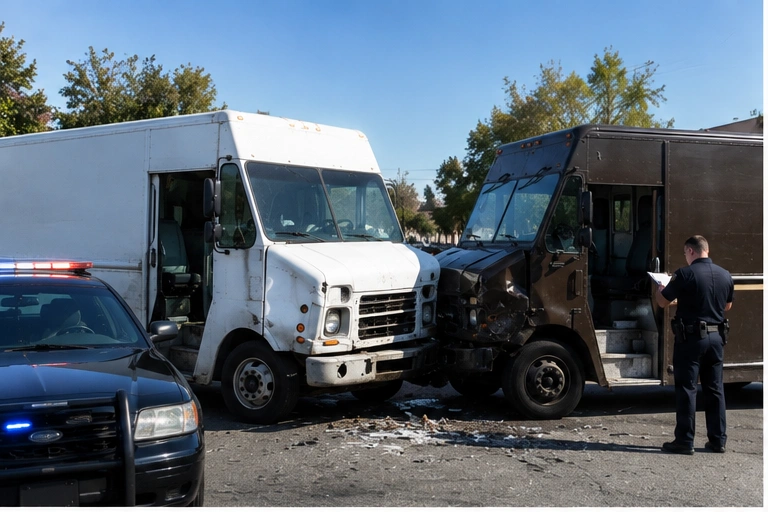
Package-delivery vehicles operate in neighborhoods, business districts, loading zones, freeways, and distribution networks. Claims may involve employee drivers, contractors, separate motor carriers, or different corporate entities depending on the operation.
A FedEx or UPS logo is important identifying evidence but does not by itself establish the precise employer, owner, or insurance relationship.
Delivery Route Evidence
Route records, stop scans, dispatch communications, telematics, onboard cameras, training records, and delivery timestamps may help reconstruct the trip and identify control.
Because commercial data can be routinely overwritten, serious claims may warrant prompt preservation requests.
Common Delivery Vehicle Hazards
Backing, curbside stops, blocked sight lines, hurried turns, double parking, pedestrian and cyclist conflicts, fatigue, distraction, and high-frequency stopping can become relevant.
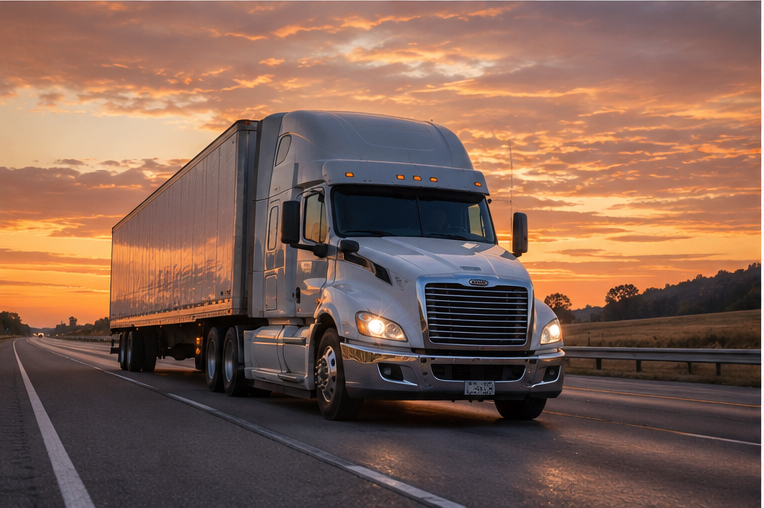
Larger tractor-trailer movements between hubs may additionally implicate federal motor-carrier rules, including FMCSA Hours of Service and other FMCSA regulations.
Separate the Brand from the Legal Defendant
The correct defendants may include a driver, local operating entity, contractor, carrier, vehicle owner, or employer. Direct corporate liability requires evidence supporting a recognized theory.
Safeguard Firm is not affiliated with FedEx or UPS, and brand references identify accident types rather than an assumption of fault.
Depending on the facts, California Vehicle Code section 17150 may also be relevant when evaluating vehicle-owner responsibility.
How Safeguard Firm Can Help
Safeguard Firm can investigate a California FedEx and UPS truck accident claim, identify defendants and insurance, preserve evidence, obtain records, communicate with insurers, and evaluate damages.
Serious or disputed cases may require experts, subpoenas, depositions, medical analysis, electronic records, corporate discovery, or formal litigation. The investigation should remain tailored to the actual facts.
A credible claim distinguishes established facts from issues still under investigation and avoids unsupported assumptions about fault, corporate relationships, or future damages.
California Negligence and Comparative Fault
California Civil Code section 1714 states the general rule that people are responsible for injuries caused by a lack of ordinary care in managing their person or property, subject to statutory and common-law exceptions.
California comparative-fault principles can reduce recovery according to a claimant’s percentage of responsibility without necessarily eliminating the claim.
Compensation and Damages
Depending on the facts, damages may include past medical expenses, reasonably necessary future medical care, lost earnings, diminished future earning capacity, property damage where applicable, physical pain, mental suffering, impairment, and loss of enjoyment of life.
Case value should be based on evidence, not a fixed multiplier. Liability, prognosis, future care, insurance, credibility, comparative fault, and permanency all matter.
Important California Deadlines
Code of Civil Procedure section 335.1 generally provides two years for an action for injury to, or death of, an individual caused by another’s wrongful act or neglect.
Government Code section 911.2 generally requires a claim relating to personal injury or death against a public entity to be presented within six months after accrual. Other rules can change the deadline.
What to Do After the Incident
- Obtain appropriate medical care and follow reasonable treatment recommendations.
- Preserve photographs, video, damaged property, witness information, reports, receipts, and relevant electronic records.
- Keep insurance correspondence and avoid guessing about fault or medical prognosis in recorded statements.
- Document missed work, out-of-pocket expenses, future treatment recommendations, and functional limitations.
- Identify evidence held by businesses, carriers, vehicle owners, platforms, or other third parties before it is overwritten or destroyed.
- Do not assume settlement discussions extend a filing deadline.
FedEx and UPS Claim Review Priorities
A fact-specific review often focuses on route records, stop scans, dispatch communications, telematics, onboard cameras, driver training, delivery timestamps, carrier identity, vehicle ownership, employer or contractor relationships, and all potentially applicable insurance.
The investigation should not imply affiliation with FedEx or UPS or automatic liability based on a logo, package, delivery route, or brand identifier.
Commercial Structure and Evidence Preservation
- Confirm the driver, local operating entity, contractor, carrier, vehicle owner, employer, and other potentially relevant businesses.
- Preserve route records, stop scans, dispatch communications, telematics, onboard camera footage, training records, and delivery timestamps.
- Document backing, curbside stops, blocked sight lines, double parking, pedestrian or cyclist conflicts, fatigue, distraction, and high-frequency stopping when relevant.
- Evaluate personal, commercial, employer, owner, excess, and UM/UIM insurance that may apply.
- Connect the incident to medical treatment, missed work, expenses, and future care with supporting evidence.
- Separate established facts from issues that still require investigation.
Frequently Asked Questions
Value depends on liability, insurance, injury severity, treatment, future care, wage loss, permanency, comparative fault, and the quality of the evidence.
Video, photographs, witnesses, electronic data, records, and expert analysis may help resolve conflicting versions.
California comparative fault can reduce recovery without necessarily eliminating the claim.
The answer depends on the incident. Personal auto, commercial, employer, owner, excess, UM/UIM, or other liability coverage may be relevant.
Many California injury actions are generally subject to a two-year period, but government claims and other circumstances can be much shorter.
Not necessarily. Many claims resolve through negotiation, but litigation may be needed when liability, damages, evidence, or settlement value remains disputed.
Related California Legal Services
Related guidance for California truck and commercial-vehicle injury claims.
Related statewide personal injury guidance for California injury claims.
Related information for severe injuries involving long-term medical and financial consequences.
Learn more about Safeguard Firm and its published Los Angeles office.
Additional resource: Contact Safeguard Firm.
Contact a California FedEx and UPS Truck Accident Attorney
Safeguard Firm represents injured clients in California from its published Los Angeles office. Call 310-882-6575 or visit SafeguardFirm.com for a free consultation.