
California Freeway Accident Attorney
Freeway accidents can involve disputed right-of-way, speed, visibility, lane position, driver attention, insurance, and medical causation. California traffic claims are strongest when the legal theory is tied to objective scene and vehicle evidence.
Safeguard Firm evaluates California freeway accident matters by identifying responsible parties, preserving time-sensitive evidence, evaluating insurance, documenting medical and economic losses, and determining whether negotiation or litigation is necessary. The firm’s published office is 6404 Wilshire Blvd., Suite 860, Los Angeles, CA 90048, and its current website advertises a free consultation.
Free Consultation
If you were injured in a California freeway accident, contact Safeguard Firm at 310-882-6575 or JR@Safeguardfirm.com to discuss the circumstances and potential legal options, or contact the firm online.
What Makes a Freeway Accident Claim Different?
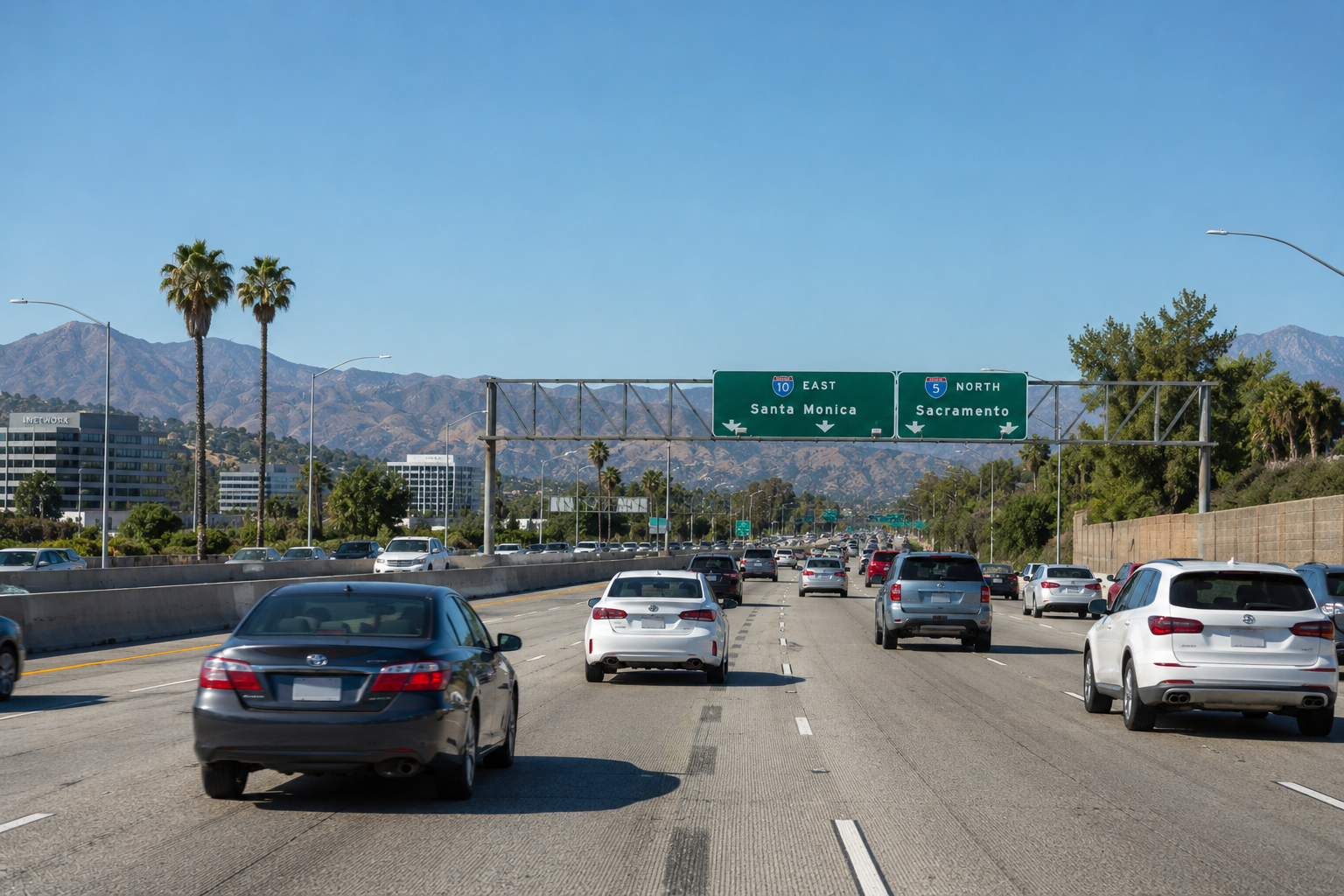
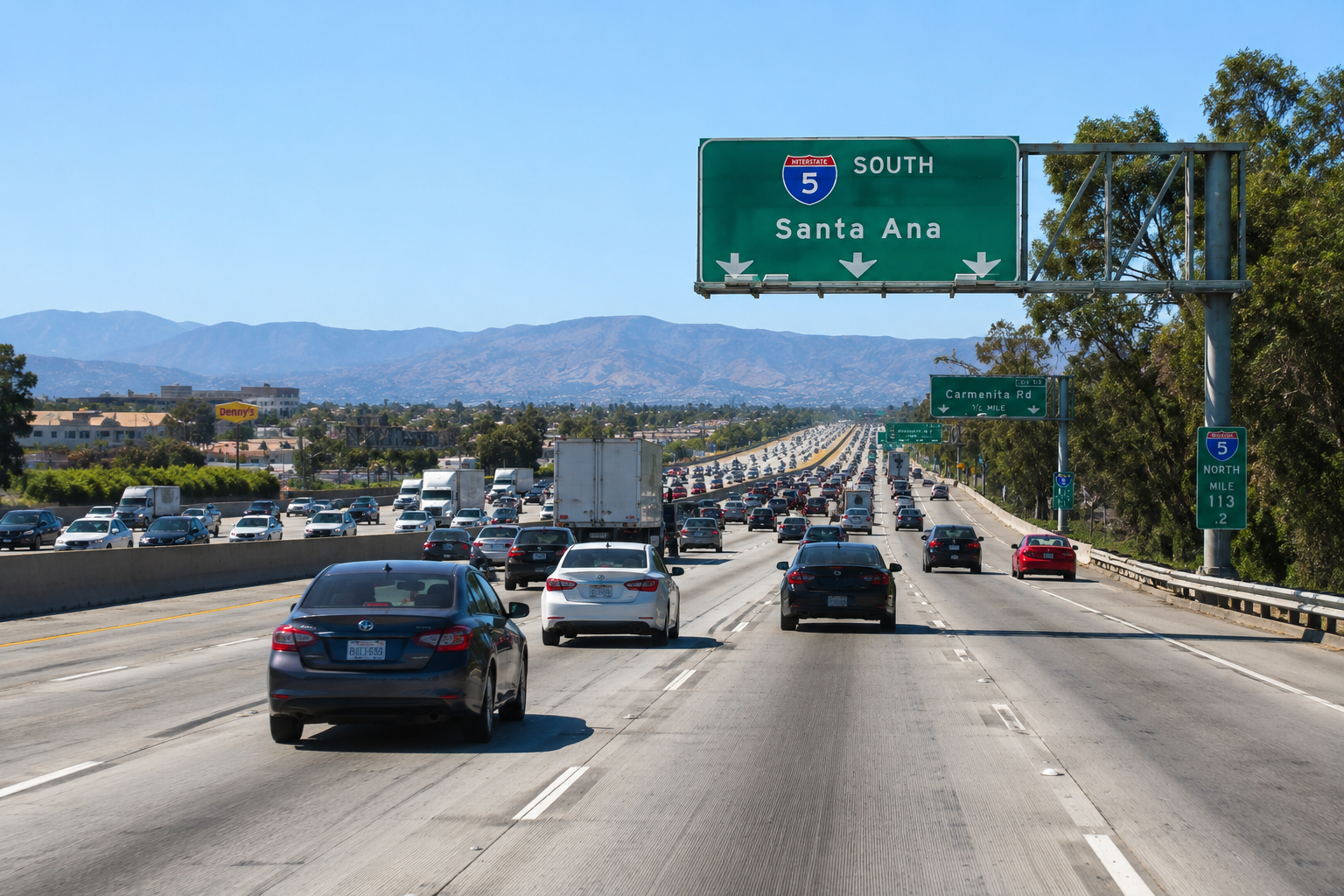
Freeway accident claims often turn on the specific mechanics of a high-speed collision rather than generic negligence allegations. Important issues may include high-speed merges, lane changes, chain-reaction impacts, stopped traffic, and multiple vehicles.
These issues should be evaluated within the broader framework of a California personal injury claim, with liability tied to objective scene, vehicle, witness, electronic, and medical evidence.
Who May Be Liable?
Potential defendants can include negligent drivers, vehicle owners, employers, commercial operators, contractors, and in appropriate cases public entities or product defendants. Each requires a supported factual and legal basis.
Insurance and Coverage Issues
Potential coverage can include personal auto, commercial auto, umbrella or excess policies, employer coverage, UM/UIM insurance, platform or fleet policies, and other specialized coverage. Coverage should be verified from policy language and the actual relationship among the parties.
California Law and the Need for a Fact-Specific Theory
California Civil Code section 1714 provides the general rule that a person is responsible for injuries caused by a lack of ordinary care in managing their person or property, subject to statutory and common-law exceptions. A viable claim ordinarily requires a legally recognized duty, breach, causation, and damages.
Freeway cases can also be affected by additional statutes, federal rules, contractual provisions, insurance requirements, or public-entity procedures when the facts bring the claim within them. The legal theory should therefore follow the actual collision facts rather than assumptions.
Evidence to Preserve
- Photographs and video of the scene, vehicles, property, equipment, or condition.
- Witness names and contact information.
- Police, incident, safety, facility, or business reports when applicable.
- Surveillance, dash-camera, app, telematics, electronic, maintenance, inspection, dispatch, or operational records.
- Medical records, imaging, specialist recommendations, prescriptions, rehabilitation records, and photographs of visible injury.
- Wage records, disability documentation, out-of-pocket expenses, and insurance communications.
- Evidence controlled by a business, carrier, platform, public agency, facility, employer, or property owner may be overwritten or destroyed in the ordinary course. Preservation should be considered early where the material could affect liability or damages.
Damages
Depending on the facts, damages may include past medical expenses, reasonably necessary future medical care, lost earnings, diminished future earning capacity, property damage where applicable, physical pain, mental suffering, physical impairment, scarring or disfigurement, and loss of enjoyment of life. Catastrophic or fatal cases can involve additional categories.
Claim value should not be reduced to a fixed multiplier. Liability strength, comparative fault, medical causation, objective findings, prognosis, future care, work impact, credibility, available insurance, and the quality of the supporting evidence all matter. Related serious-injury information is available from the California Catastrophic Injury Attorney page.
What to Do After the Incident
- Seek appropriate medical care and accurately report how the incident occurred.
- Preserve photographs, videos, physical evidence, receipts, app records, reports, and witness information.
- Identify the owner, operator, employer, business, property manager, platform, or other entity connected to the incident.
- Avoid guessing about fault or the extent of injury in recorded statements or public social-media posts.
- Keep records of medical appointments, missed work, expenses, and insurer communications.
- Do not assume insurance negotiations extend a legal deadline.
California Filing Deadlines
- Code of Civil Procedure section 335.1 generally provides two years for an action involving injury to, or death of, an individual caused by another’s wrongful act or neglect. Different accrual, tolling, contract, maritime, federal, minor, or other rules can apply depending on the claim.
- Government Code section 911.2 generally requires a claim relating to personal injury or death against a public entity to be presented within six months after accrual. See also the California Courts civil lawsuit guidance.
How Safeguard Firm Can Help
Safeguard Firm can evaluate a California freeway accident claim, identify potential defendants and coverage, preserve evidence, communicate with insurers, organize medical and wage documentation, and assess whether specialists or experts are necessary.
If a fair resolution cannot be reached, litigation can provide formal discovery, subpoenas, depositions, expert analysis, and court procedures for obtaining evidence.
Learn more about Safeguard Firm or request a free consultation.
Frequently Asked Questions
The precise elements depend on the legal theory, but the claim generally must connect a legally responsible defendant’s conduct to the freeway accident and then connect that incident to the claimed injuries and damages.
Evidence varies by case, but photographs, video, witnesses, reports, physical evidence, electronic or business records, medical records, and insurance information are common starting points.
California claims can involve multiple defendants and comparative fault. Each person or entity should be evaluated based on its actual conduct, control, legal relationship, and insurance.
California comparative-fault principles may reduce recovery based on a claimant’s percentage of responsibility without necessarily eliminating the claim.
Future care should be supported by medical evidence showing that treatment is reasonably necessary, with cost and frequency supported as appropriate.
Many California injury actions are generally subject to a two-year limitations period, but government claims and specialized claims can have much shorter or different deadlines.
Related California Legal Services
Statewide information about personal injury claims, liability, evidence, insurance, damages, and legal options.
Explore Safeguard Firm’s California practice areas and related legal resources.
Related information for severe injuries involving significant medical, financial, and long-term consequences.
Contact Safeguard Firm to discuss a California freeway accident and request a free consultation.
Additional firm information: About Safeguard Firm · Contact Safeguard Firm.
Contact a California Freeway Accident Attorney
If you were injured in a California freeway accident, contact Safeguard Firm at 310-882-6575, email JR@Safeguardfirm.com, or contact the firm online for a free consultation. The firm’s published office is 6404 Wilshire Blvd., Suite 860, Los Angeles, CA 90048.