
Los Angeles County Pedestrian Accident Attorney
A pedestrian has almost no physical protection when struck by a passenger vehicle, truck, motorcycle, delivery vehicle, or rideshare car. Even a relatively low-speed impact can cause fractures, head injury, spinal trauma, internal injury, surgery, permanent impairment, or death.
Safeguard Firm represents pedestrians and families in Los Angeles County personal injury and wrongful death claims. Pedestrian cases often turn on crosswalk rules, signal timing, driver attention, speed, visibility, turning movements, roadway design, and rapidly disappearing video evidence.
California Vehicle Code section 21950 requires drivers to yield to pedestrians in marked and unmarked crosswalks at intersections, while pedestrians also must use due care for their own safety. Those reciprocal duties make the actual timing and movement of the parties important in disputed cases.
Free Consultation
Injured in Los Angeles County? Contact Safeguard Firm at 310-882-6575 or JR@Safeguardfirm.com for a free consultation about your potential claim.
Common Pedestrian Accident Scenarios
Pedestrian crashes frequently occur when drivers turn left or right through crosswalks, fail to yield while exiting driveways, speed through intersections, back from parking spaces, drive while distracted, or fail to account for pedestrians in low-light conditions.
Other cases involve pedestrians crossing outside a marked crosswalk, people struck in parking lots, children, runners, transit users, delivery vehicles, or pedestrians hit by vehicles that leave the scene. Related claims can overlap with Los Angeles County car accident and rideshare accident cases depending on the vehicle and circumstances.
The absence of a marked crosswalk does not necessarily mean a pedestrian lacked rights. California recognizes unmarked crosswalks at many intersections, and the precise roadway geometry and applicable statutes should be examined.
Crosswalk and Turning Collisions
Drivers may strike pedestrians while turning through marked or unmarked crosswalks, exiting driveways, or moving through intersections. Signal timing, visibility, speed, turning movements, and the pedestrian’s position can become central evidence.
Parking, Low-Light and Hit-and-Run Incidents
Pedestrian claims can also involve parking lots, backing vehicles, low-light conditions, children, runners, transit users, delivery vehicles, or drivers who leave the scene. Video and witness evidence may be especially important in these cases.
California Crosswalk and Due-Care Rules
Vehicle Code section 21950 provides that a driver must yield the right of way to a pedestrian crossing within a marked crosswalk or an unmarked crosswalk at an intersection, subject to the statute’s qualifications. The statute also states that pedestrians must use due care and may not suddenly enter the path of a vehicle so close as to create an immediate hazard.
The same section requires an approaching driver to exercise due care and reduce speed or take other action as necessary to safeguard a pedestrian. Liability therefore depends on the whole sequence: where the pedestrian was, when the driver could see the pedestrian, vehicle speed, traffic controls, lighting, and available reaction time.
Comparative-fault arguments are common. California’s general negligence framework under Civil Code section 1714 and objective evidence can be important when the parties disagree about whether the pedestrian entered suddenly or the driver failed to observe a visible pedestrian.
Evidence That Can Disappear Quickly
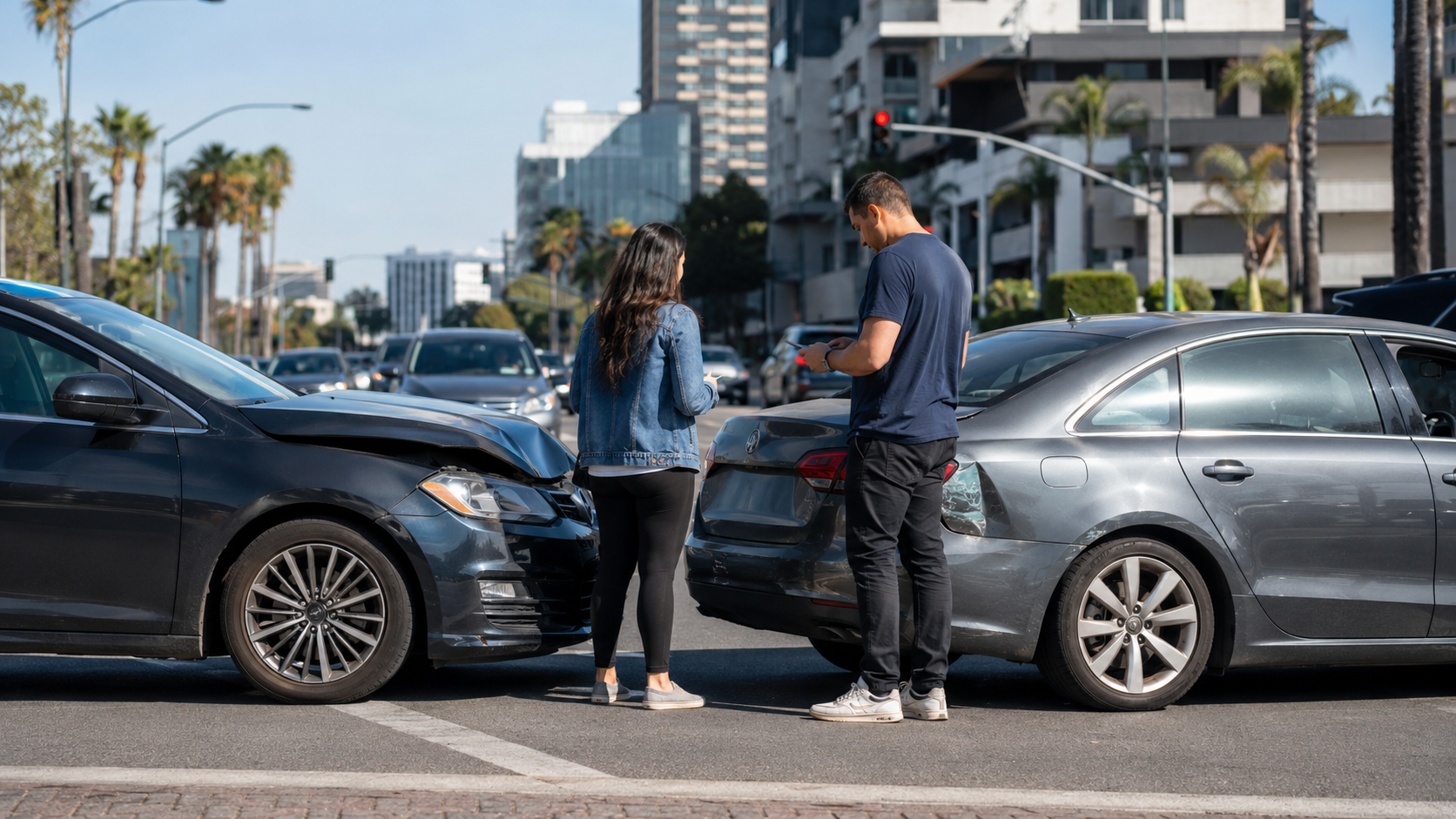
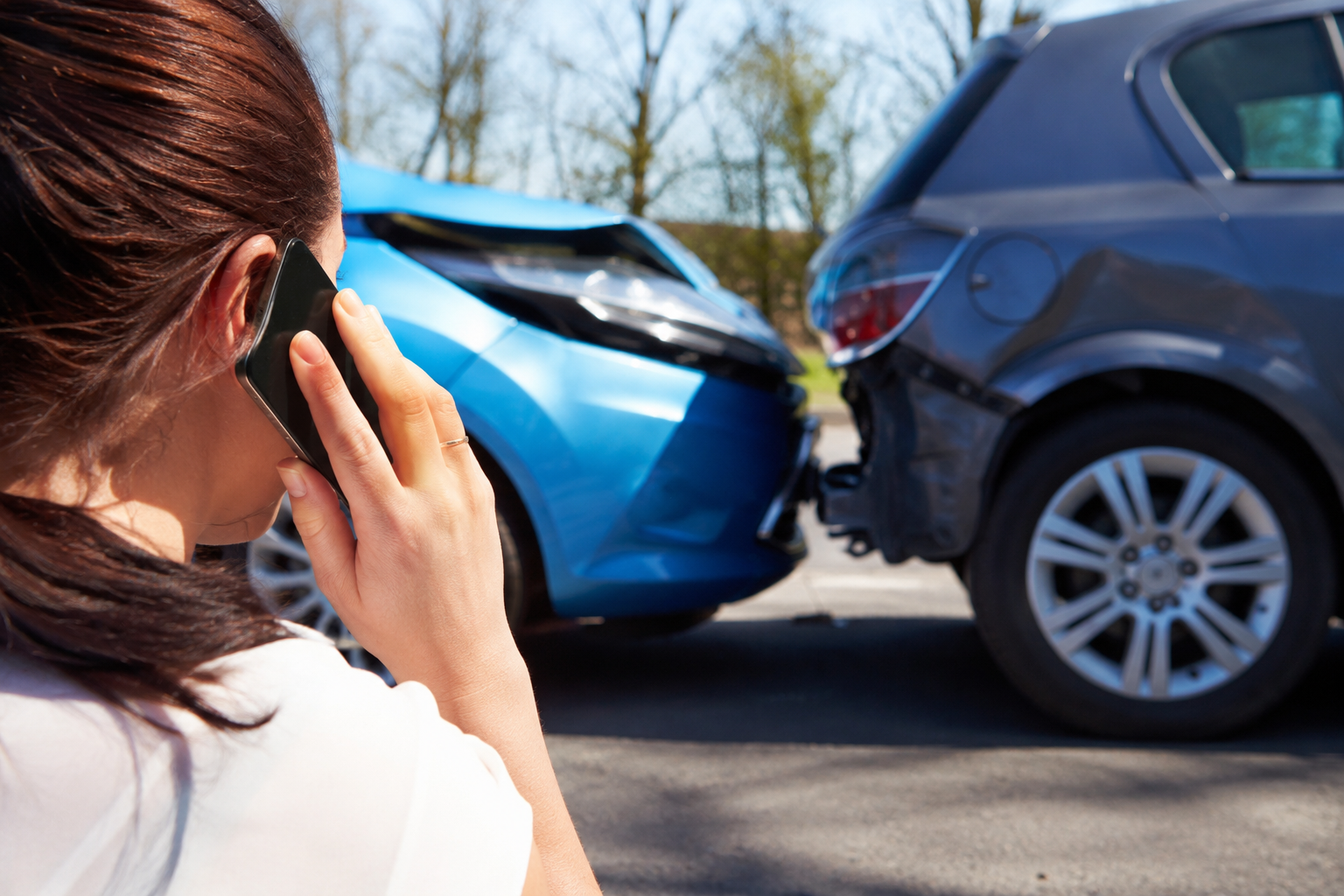
Intersection cameras, nearby business surveillance, residential cameras, bus video, dash cameras, rideshare recordings, vehicle cameras, and witness observations may capture the event. Many of those sources are not retained indefinitely.
The scene should be documented for crosswalk markings, signals, lighting, sight obstructions, parked vehicles, construction, roadway width, and approach views. In a serious case, reconstruction evidence may help calculate speed or visibility.
The striking vehicle can also contain physical and electronic evidence. Vehicle damage, event data, and onboard camera systems may help establish the point of impact and sequence.
Pedestrian Injuries and Damages
Pedestrian injuries often involve the lower extremities at initial vehicle contact followed by secondary impact with the hood, windshield, roadway, or another object. The actual injury pattern varies greatly by vehicle, speed, and body position.
Claims may include emergency treatment, surgery, rehabilitation, future medical care, lost earnings, reduced earning capacity, pain, emotional distress, scarring, physical impairment, and loss of enjoyment of life. Serious brain injuries or spinal injuries may require a long-term damages analysis, and other life-changing injuries may overlap with a catastrophic injury claim.
Fatal pedestrian crashes may create wrongful death claims for qualifying family members and possible survival claims for the estate.
Hit-and-Run and Uninsured Driver Issues
A pedestrian claim does not necessarily end because the striking driver fled or lacked insurance. Depending on the injured person’s insurance policies and household circumstances, uninsured motorist coverage may become relevant.
Video, witnesses, debris, plate information, or police investigation may help identify the vehicle. Commercial vehicles, employers, rideshare companies, and vehicle owners may provide additional insurance or defendants when supported by the facts.
Dangerous Roadway and Public-Entity Issues
Some pedestrian incidents involve allegations that roadway design, signals, sight distance, construction, or another public property condition contributed to the event. Public-entity liability is governed by specialized statutes and defenses, and Government Code section 911.2 can require presentation of an injury claim within six months.
These claims should be evaluated early because physical conditions may change and governmental plans, maintenance records, prior complaints, or collision history may become important.
Why Choose Safeguard Firm
Safeguard Firm approaches personal injury claims by developing the liability, insurance, and damages evidence together. The firm communicates directly with carriers, organizes the proof necessary to evaluate the claim, and prepares matters for litigation when negotiation does not produce a fair resolution.
The firm does not rely on unsupported claims about a particular number of prior cases, guaranteed outcomes, or invented case results. The emphasis is on careful investigation, client communication, California-law analysis, and presenting each client’s actual losses with credible supporting evidence.
Safeguard Firm’s Los Angeles office is located at 6404 Wilshire Blvd., Suite 860, Los Angeles, CA 90048. Prospective clients may call 310-882-6575 or contact the firm through SafeguardFirm.com.
Los Angeles County Context and Deadlines
Los Angeles County pedestrians encounter dense intersections, multilane arterials, tourist areas, school zones, residential streets, commercial driveways, transit stations, and high-volume parking facilities. Each environment creates different evidence and visibility issues.
The general two-year personal injury limitations period under Code of Civil Procedure section 335.1 may apply, but shorter deadlines and other exceptions must be considered from the specific facts. Public-entity claims can be subject to the earlier deadline in Government Code section 911.2.
If litigation becomes necessary, the Los Angeles Superior Court civil division provides local court information and procedures.
Related Los Angeles County Legal Services
Related representation for injury claims throughout Los Angeles County.
Related information for motor-vehicle collision claims involving pedestrians and other roadway users.
Related representation for pedestrian injuries involving rideshare vehicles and platform-related insurance issues.
Related representation for severe pedestrian injuries involving long-term medical and functional consequences.
Frequently Asked Questions
No absolute rule applies in every circumstance. Drivers have strong duties to pedestrians in crosswalks, and pedestrians also must use due care. Liability depends on the facts.
California law recognizes crosswalks at many intersections even when no painted lines are present. The roadway configuration should be evaluated.
That can affect the liability analysis but does not automatically eliminate every claim. Driver negligence and comparative fault still must be evaluated.
Police investigation, video and witness evidence may identify the vehicle, and uninsured motorist coverage may be relevant depending on available policies.
Many surveillance systems overwrite recordings after a short period. Early requests can help prevent potentially decisive evidence from disappearing.
Qualifying survivors may have a wrongful death action, and the estate may have separate survival claims depending on the facts.
Additional related resources: Los Angeles County Wrongful Death Attorney · Brain Injury Attorney · California Pedestrian Accident Attorney · Contact Safeguard Firm.
Contact Safeguard Firm
If you or a family member has been affected by this type of incident in Los Angeles County, contact Safeguard Firm to discuss the facts, potential defendants, insurance coverage, evidence, and applicable deadlines. Call 310-882-6575, email JR@Safeguardfirm.com, or request a free consultation online.