
San Luis Obispo County Pedestrian Accident Attorney
San Luis Obispo County pedestrian accident claims can arise in urban, coastal, agricultural, wine-country, university, and rural settings. The county’s geography and traffic patterns can materially affect the evidence, defendants, insurance, and damages issues in a case.
Safeguard Firm represents injured clients in San Luis Obispo County pedestrian accident matters and focuses on preserving evidence, identifying responsible parties and insurance, documenting injuries and economic losses, and pursuing a fair resolution.
Safeguard Firm serves San Luis Obispo County from its published Los Angeles office. The website should not imply that the firm maintains a San Luis Obispo County office unless a verified location is later established.
Free Consultation
If you were injured in San Luis Obispo County in a matter involving pedestrian accident, contact Safeguard Firm at 310-882-6575 or JR@Safeguardfirm.com to discuss the circumstances and potential legal options.
Crosswalk and Right-of-Way Issues
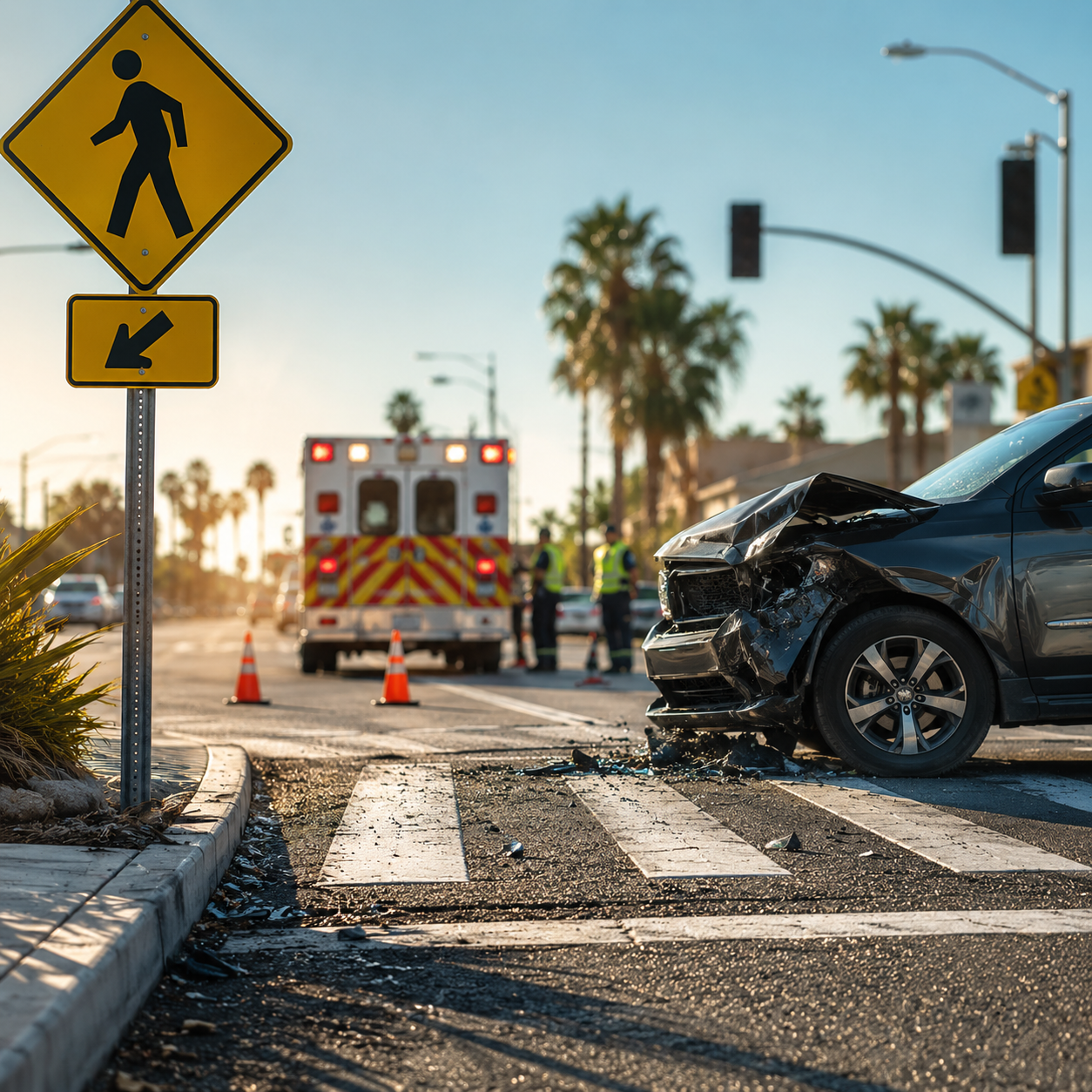
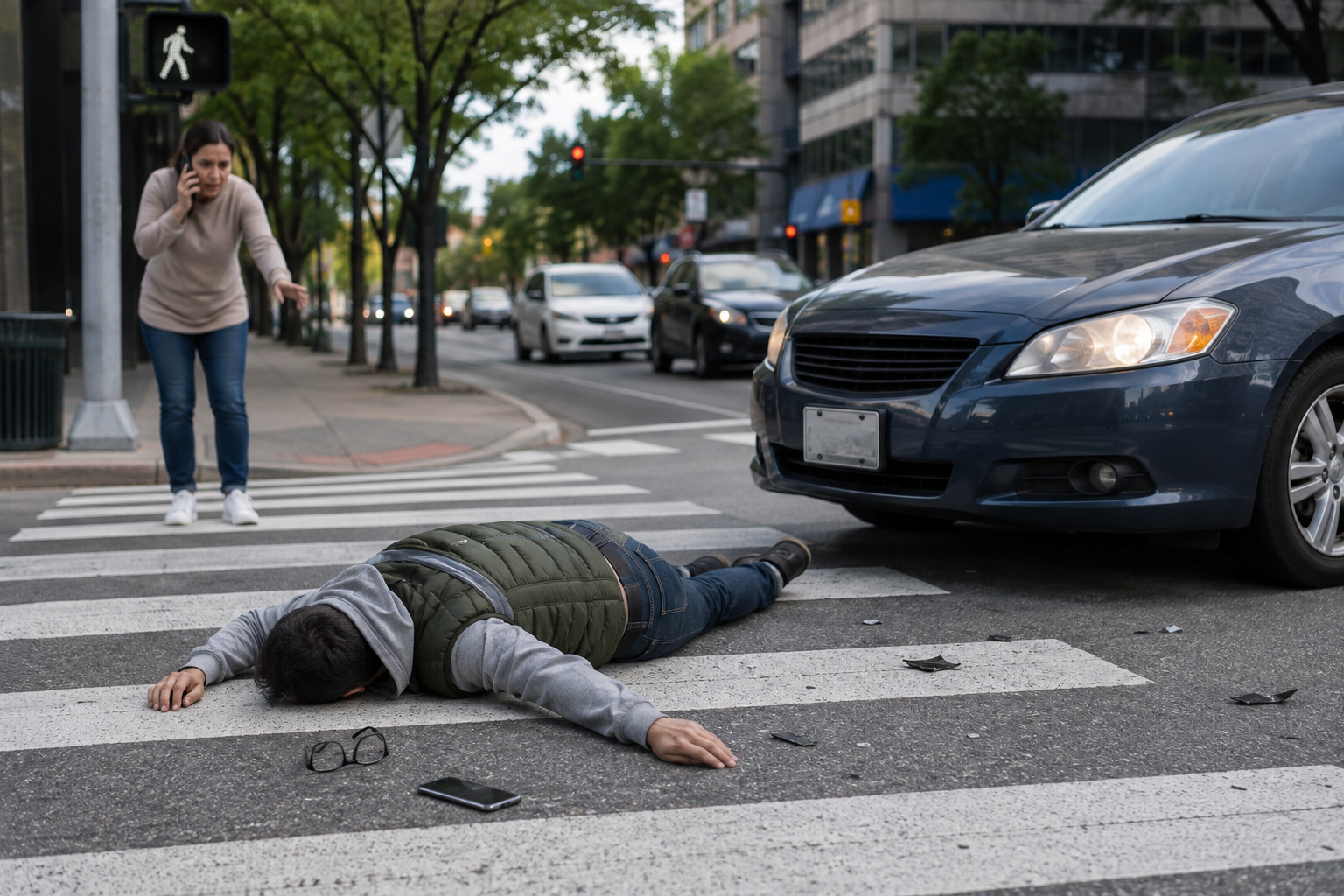
California Vehicle Code section 21950 addresses driver duties toward pedestrians in marked and unmarked crosswalks while also requiring pedestrians to exercise due care. Signal phase, crossing location, visibility, direction of travel, driver speed, and the opportunity to avoid the collision all matter.
Serious Pedestrian Injuries
Pedestrian impacts can cause fractures, pelvic injuries, traumatic brain injury, spinal injury, internal trauma, nerve damage, and death. Damages should address hospitalization, surgery, rehabilitation, future care, work restrictions, and loss of independence.
Commercial and Employer Defendants
If the pedestrian is struck by a delivery truck, company vehicle, shuttle, rideshare driver, or employee performing work, the investigation may extend beyond the individual driver. Employment, agency, ownership, contractor relationships, and commercial insurance should be evaluated.
Where Pedestrian Collisions Occur
Pedestrian crashes may occur in marked or unmarked crosswalks, intersections, parking lots, driveways, downtown areas, hotel and tourism districts, shopping centers, school zones, university areas, and residential streets.
Tourism and university activity can create high pedestrian volumes, while rural or North County roads may involve higher speeds and longer crossing distances.
Time-Sensitive Evidence
Businesses, hotels, residences, university facilities, parking areas, transit systems, buses, and nearby vehicles may have recordings. Traffic-signal timing, 911 records, dash cameras, and vehicle data may also be important.
Because many systems overwrite footage, prompt preservation is valuable.
Public Property Issues
When traffic control, roadway design, signs, signals, or public property conditions are alleged to have contributed, separate public-entity rules and government-claim procedures may apply. Government Code section 911.2 generally requires presentation of a personal injury claim within six months after accrual.
Compensation and Damages
- Potential damages depend on the facts and may include past medical expenses, reasonably necessary future medical care, past lost earnings, diminished future earning capacity, property damage where applicable, physical pain, mental suffering, physical impairment, and loss of enjoyment of life.
- A responsible valuation should distinguish documented past losses from future projections and should account for liability risk, comparative fault, medical causation, credibility, treatment history, prognosis, and insurance limits.
Crosswalk and Right-of-Way Issues
- California Vehicle Code section 21950 addresses driver duties toward pedestrians in marked and unmarked crosswalks while also requiring pedestrians to exercise due care.
- Signal phase, crossing location, visibility, direction of travel, driver speed, and the opportunity to avoid the collision all matter.
How Safeguard Firm Can Help
Safeguard Firm’s role in a San Luis Obispo County pedestrian accident matter is to organize the claim around proof. That can include identifying responsible parties, preserving evidence, obtaining reports and records, communicating with insurers, documenting medical and economic losses, and evaluating whether expert analysis is needed.
The investigation should focus on the issues most likely to become disputed. Liability cases may require scene evidence, witness testimony, surveillance, electronic data, or commercial records. Serious injury cases may require early policy-limit analysis, future-care evidence, vocational analysis, and investigation of additional defendants or insurance.
When a fair pre-litigation resolution cannot be reached, litigation can provide formal discovery, subpoenas, depositions, expert analysis, and court procedures for obtaining evidence. Strategy should remain proportionate to the case.
Public Property Issues
When traffic control, roadway design, signs, signals, or public property conditions are alleged to have contributed, separate public-entity rules and government-claim procedures may apply. Government Code section 911.2 generally requires presentation of a personal injury claim within six months after accrual.
Practical Steps After the Incident
- Seek appropriate medical evaluation and follow reasonable treatment recommendations.
- Preserve photographs, videos, damaged property, receipts, reports, witness information, and relevant electronic records.
- Avoid guessing about fault or the extent of injury in recorded or written statements.
- Keep records of medical appointments, work missed, out-of-pocket expenses, and communications with insurers.
- Identify evidence controlled by businesses, platforms, carriers, or public entities that may be overwritten or destroyed.
- Do not assume insurance negotiations extend a filing or government-claim deadline.
Frequently Asked Questions
No. California law protects pedestrians but also imposes duties of reasonable care. Liability depends on the crossing, signals, visibility, and conduct of both parties.
A claim may still exist. The crossing location can affect comparative fault but does not automatically excuse a negligent driver.
Video, witnesses, signal timing, scene photographs, lighting conditions, vehicle data, police records, and medical evidence are often important.
Employer, contractor, platform, driver-status, and commercial-coverage issues should be evaluated.
Qualifying persons may have a wrongful-death claim under California law.
As soon as reasonably possible because private surveillance may be overwritten.
Related San Luis Obispo County Legal Services
Related representation for personal injury claims throughout San Luis Obispo County.
Related representation for people injured in motor-vehicle collisions in San Luis Obispo County.
Related information for injury claims involving commercial and other trucks in San Luis Obispo County.
Related representation for injured motorcyclists and motorcycle collision claims in San Luis Obispo County.
Additional related resources: San Luis Obispo County Bicycle Accident Attorney · San Luis Obispo County Uber Accident Attorney · California Personal Injury Attorney · About Safeguard Firm · Contact Safeguard Firm.
Contact a San Luis Obispo County Pedestrian Accident Attorney
Safeguard Firm serves injured clients throughout San Luis Obispo County while maintaining its published office at 6404 Wilshire Blvd., Suite 860, Los Angeles, CA 90048. Call 310-882-6575, email JR@Safeguardfirm.com, or contact the firm online for a free consultation. Do not add or imply a San Luis Obispo County office unless a verified location is established.